One Page, 7X More Clicks Than the Homepage
How One SEO Landing Page Pulled 7x More Clicks Than the Homepage for a Swedish Beauty Brand
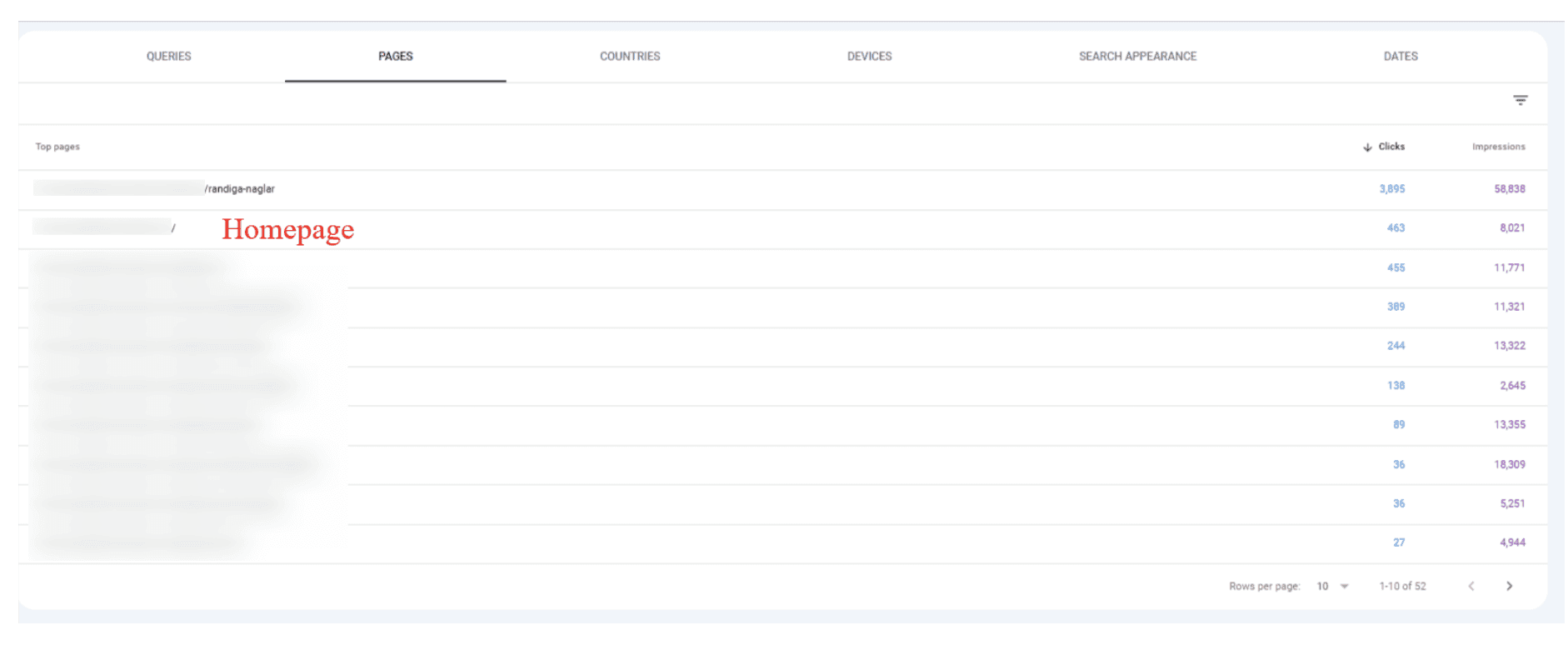
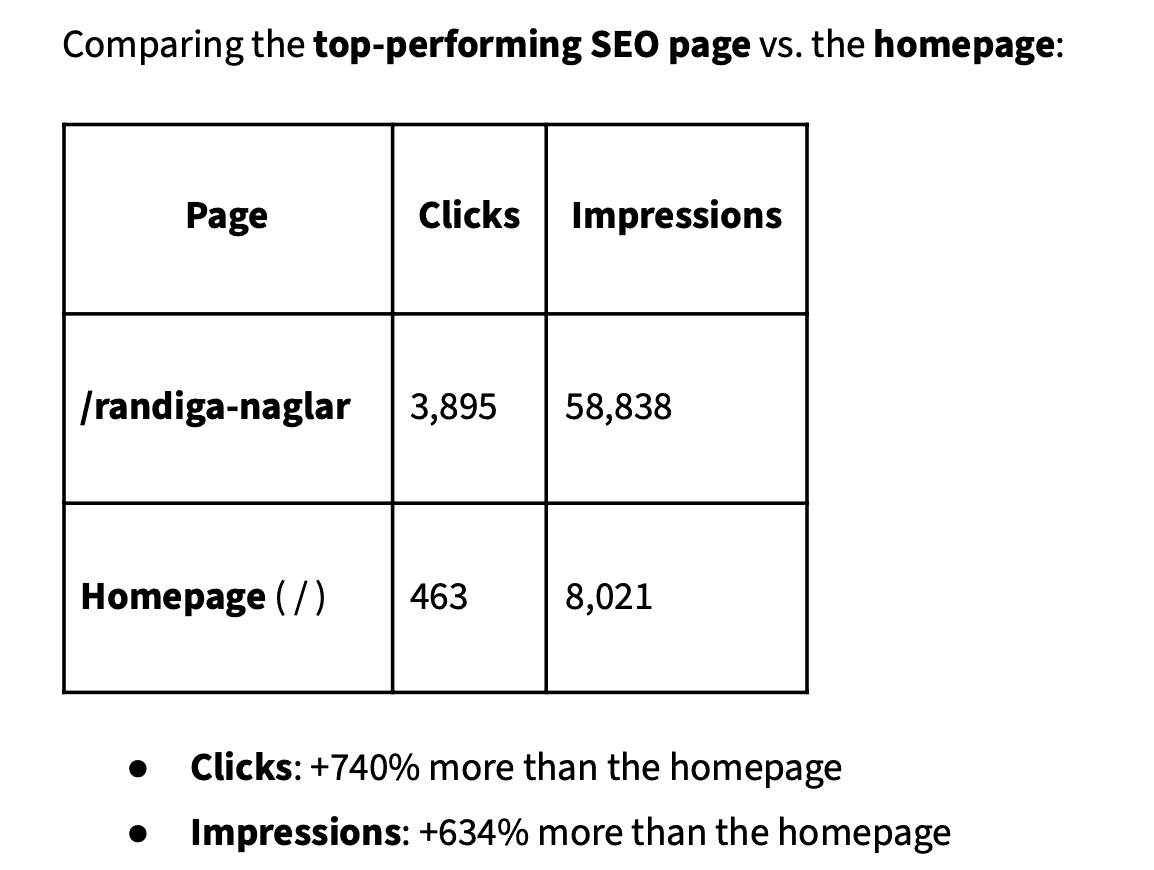
Most ecommerce stores assume their homepage will always be their top organic performer. This Swedish beauty and nails brand proved that assumption wrong. We created a single strategically designed landing page targeting the high-intent Swedish keyword “randiga naglar” , and it delivered 3,895 clicks compared to just 463 on the homepage, a 740% increase. Impressions followed the same pattern, growing by 634% over the homepage. This . It was the result of precise keyword targeting, content matched to user intent, and technical execution.
The Challenge
This Swedish beauty and nails brand had decent product pages and a homepage that pulled some branded traffic. But for non-branded searches, they were invisible. The homepage was getting 463 clicks per month from organic. Product and category pages were barely registering. The brand assumed SEO meant optimizing what already existed. We had a different idea.
Root Causes We Identified
- No dedicated landing pages for high-intent non-branded keywords. All traffic was going to generic category or product pages that didn't match search intent
- The homepage was trying to rank for everything and ranking well for nothing specific
- Product pages were optimized for browsing, not for search. No long-form content, no FAQ sections, no topical depth
- Swedish beauty keywords with visual intent (nail designs, styles, techniques) had no content on the site at all
- Competitors ranking for these terms were beauty blogs and magazines, not ecommerce brands. The SERP format favored visual, inspirational content
Tools & Platforms Used
Our Approach: Intent-Matched Landing Page Strategy
Phase 1: Keyword & Intent Analysis (Week 1)
We identified 'randiga naglar' (striped nails) as the target keyword. It had strong seasonal search patterns in Sweden, clear commercial intent (people searching this want products to create striped nails), and the current top results were beauty blogs with mediocre content. An ecommerce brand with great visual content and actual products had a real shot at outranking them.
Expert Insight
We picked this keyword because the SERP was beatable. The top results were image-light blog posts with no product links. A page combining visual inspiration with actual products to buy would be a better result for the searcher. Google rewards pages that satisfy intent better than the current top results.
Phase 2: Page Creation & Optimization (Weeks 2-3)
We built a dedicated landing page designed mobile-first (beauty consumers overwhelmingly search on phones). The page combined visual inspiration images, technique tips, and direct links to relevant products. Every on-page element was optimized: headers with semantic variations, image alt text describing each nail design, meta descriptions written for click-through, and FAQ schema using real questions from beauty forums and social media.
What We Found
Beauty and nail keywords in Sweden have a strong visual intent component. The pages that rank best aren't text-heavy guides. They're visual-first pages with helpful context. We designed the page as a visual gallery with supporting text, not an article with supporting images. This matched what users actually wanted to see.
Phase 3: Technical Execution & Internal Linking (Week 3-4)
We ensured fast mobile performance with LCP under 2s, implemented responsive image handling for the visual-heavy content, added Product and BreadcrumbList schema, and built internal links from key product and category pages to support discoverability. The page was submitted through GSC and indexed within 48 hours.
What Didn't Work (And What We Learned)
Even a focused single-page strategy had its missteps.
The first version was too text-heavy
Our initial page design followed a standard SEO content template: long paragraphs of text with images interspersed. It ranked on page 2 but didn't climb further. When we analyzed the user behavior data, bounce rate was 72% and average time on page was just 18 seconds. Users wanted visual inspiration, not a blog post. We redesigned the page with images as the primary content and text as supporting context. Bounce rate dropped to 38% and time on page tripled. Rankings jumped to top 3 within two weeks of the redesign.
Original image sizes killed mobile load times
The visual-first design meant lots of high-resolution images. Our first deployment had images averaging 400KB each, and the page had 15+ images. Mobile LCP hit 4.1s. Google's CWV scores dropped the page from position 8 to position 14 within a week. We implemented responsive images with srcset, WebP format, and lazy loading for below-fold images. LCP dropped to 1.8s and rankings recovered within 10 days.
Expert Insight
Visual-intent pages need careful performance optimization. More images means more risk of slow load times. Always use responsive images, modern formats (WebP/AVIF), and lazy loading. A beautiful page that loads slowly will lose rankings to an ugly page that loads fast.
The Results: One Page, Massive Impact
Headline Wins
- Single landing page generates 3,895 clicks/month. That's 7.4x more than the homepage
- Impressions 634% higher than the homepage from one page targeting one keyword
- Top 3 ranking for 'randiga naglar' in Swedish SERPs, outranking established beauty magazines
- Page outperforms every product page, category page, and the homepage combined for organic traffic
- Strategy now being rolled out to 'franska naglar,' 'ombre naglar,' and 'gelenaglar hemma'
Key Takeaway: One Perfect Page Beats a Thousand Mediocre Ones
Most ecommerce brands spread SEO effort thin across hundreds of pages. The opposite approach can work better. One page, built with precision for one high-intent keyword, generated 7.4x more organic traffic than the homepage. The secret isn't volume. It's intent matching. This page gave searchers exactly what they wanted: visual inspiration plus products to buy. No competitor was doing that.
The Intent-Match Landing Page Framework
Find a high-intent keyword where the current top results don't fully satisfy the searcher. Build a dedicated page that matches the intent better than anything else in the SERPs. For visual keywords, lead with images. For research keywords, lead with data. For comparison keywords, lead with tables. Match the format to the intent, then execute technically. One great page beats ten average ones.
Tools & Platforms Used
Work Together With SEO Experts who understand ecommerce
World’s first Ecom-founded SEO agency