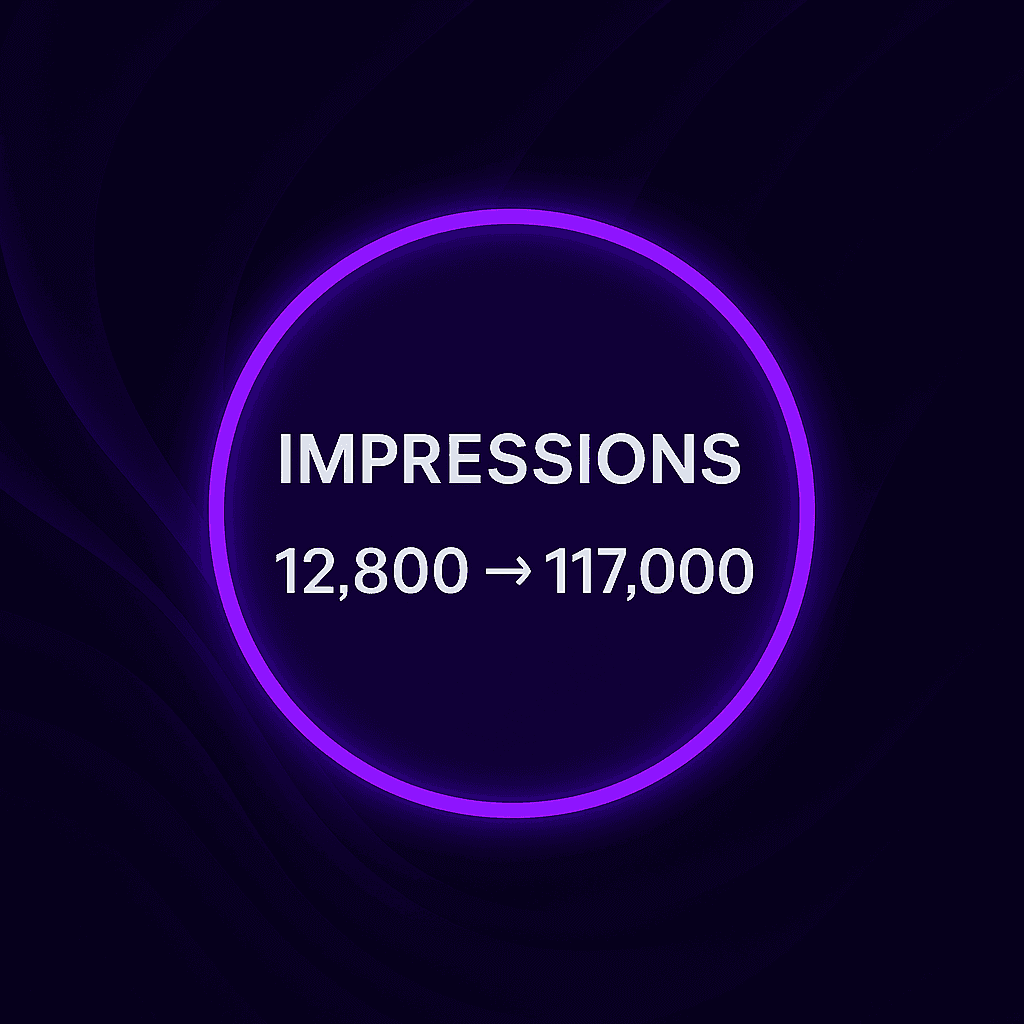
814% More Impressions in 3 Months
How Topical Authority + Technical SEO Created a Multiplier Effect for This Dutch E-commerce Brand
This Dutch ecommerce brand had been struggling with stagnant impressions and declining organic visibility despite a strong product catalog. The root causes were intertwined: a weak technical SEO foundation meant Google couldn’t properly crawl and index their pages, while thin content without topical depth meant they had nothing compelling to rank for. Their Shopify store had duplicate content from variant URLs, missing canonical tags, and no . Typical issues that compound over time.
The Challenge
This Dutch ecommerce brand had a strong product catalog but stagnant organic visibility. Impressions were flat year-over-year, and the site was barely registering in Dutch SERPs for anything beyond branded terms. The problem was two-fold: Google couldn't properly crawl what existed, and what it could crawl wasn't worth ranking.
Root Causes We Identified
- Shopify variant URLs were creating hundreds of duplicate pages that split crawl budget and confused Google about which version to index
- Missing canonical tags across product and collection pages, so Google was picking random variants as the 'main' page
- Zero structured data on the entire site. No Product schema, no BreadcrumbList, no FAQ markup. The site was invisible in rich results
- Product content was thin manufacturer copy with no unique value. Collection pages were bare product grids with no text
- No topical authority signals. The site had products but no content proving expertise in their niche
Tools & Platforms Used
Our Approach: The Dual Strategy
Phase 1: Technical Cleanup (Month 1)
We resolved duplicate content from Shopify variant URLs by implementing proper canonical tags across every product and collection page. The sitemap was rebuilt to include only canonical, indexable pages. We removed unused theme scripts that were adding 1.2s to load times. Structured data went live across the entire site: Product schema with price and availability, BreadcrumbList for navigation context, and FAQ schema on collection pages.
Expert Insight
After the technical cleanup, Google's crawl rate on product pages doubled within two weeks. Pages that had been sitting in supplemental index for months started getting re-crawled and re-evaluated. The technical fixes alone moved 6 pages from positions 30-50 into the 15-25 range before we'd published any new content.
Phase 2: Topical Authority Building (Months 1-3)
We built content clusters aligned with each major product category. Every cluster had a pillar page (a comprehensive guide on the topic in Dutch), supporting blog posts targeting informational and commercial investigation queries, and optimized product pages connected through contextual internal links. The content was written by native Dutch speakers, not translated.
What We Found
The Dutch ecommerce space had a content gap we didn't expect. Most competitors had product pages but almost no informational content in Dutch. By publishing genuinely helpful buying guides and category explainers, we filled a void that Google was eager to surface. First-page rankings came faster than our projections.
Phase 3: Internal Linking & Iteration (Month 2-3)
Every new piece of content was connected to at least 3 relevant product or collection pages. We also added contextual links from product pages back to pillar content. This created a web of topical signals that reinforced authority across the entire site. We monitored GSC data weekly and adjusted titles, descriptions, and content based on actual impression and click patterns.
What Didn't Work (And What We Learned)
We hit two walls early on that forced us to rethink parts of the strategy.
Batch-deploying structured data broke page speed
We initially added all structured data types (Product, FAQ, BreadcrumbList, Organization) to every page at once through a single Shopify theme update. The JSON-LD injection method we used conflicted with the theme's existing scripts and added 800ms to load time on mobile. Google's Core Web Vitals scores dropped, and we saw a temporary dip in rankings for pages that had been stable. We rolled it back, then re-implemented structured data incrementally, testing each schema type in isolation before deploying site-wide.
English-language keyword research didn't map to Dutch search behavior
Our initial content plan was built by translating English keyword clusters into Dutch. The search volumes looked right in Ahrefs, but the actual Dutch search behavior was different. Dutch consumers use different phrasing patterns and compound words that don't translate directly. We scrapped the translated keyword map after week 2 and rebuilt it from scratch using Dutch Google Suggest data, GSC impressions, and manual SERP analysis in the Dutch market.
Expert Insight
Never assume keyword research translates across languages. Dutch compound words, informal phrasing, and regional search habits are genuinely different from English. Start with native-language search data, not translations.
The Results: 3-Month Multiplier
Headline Wins
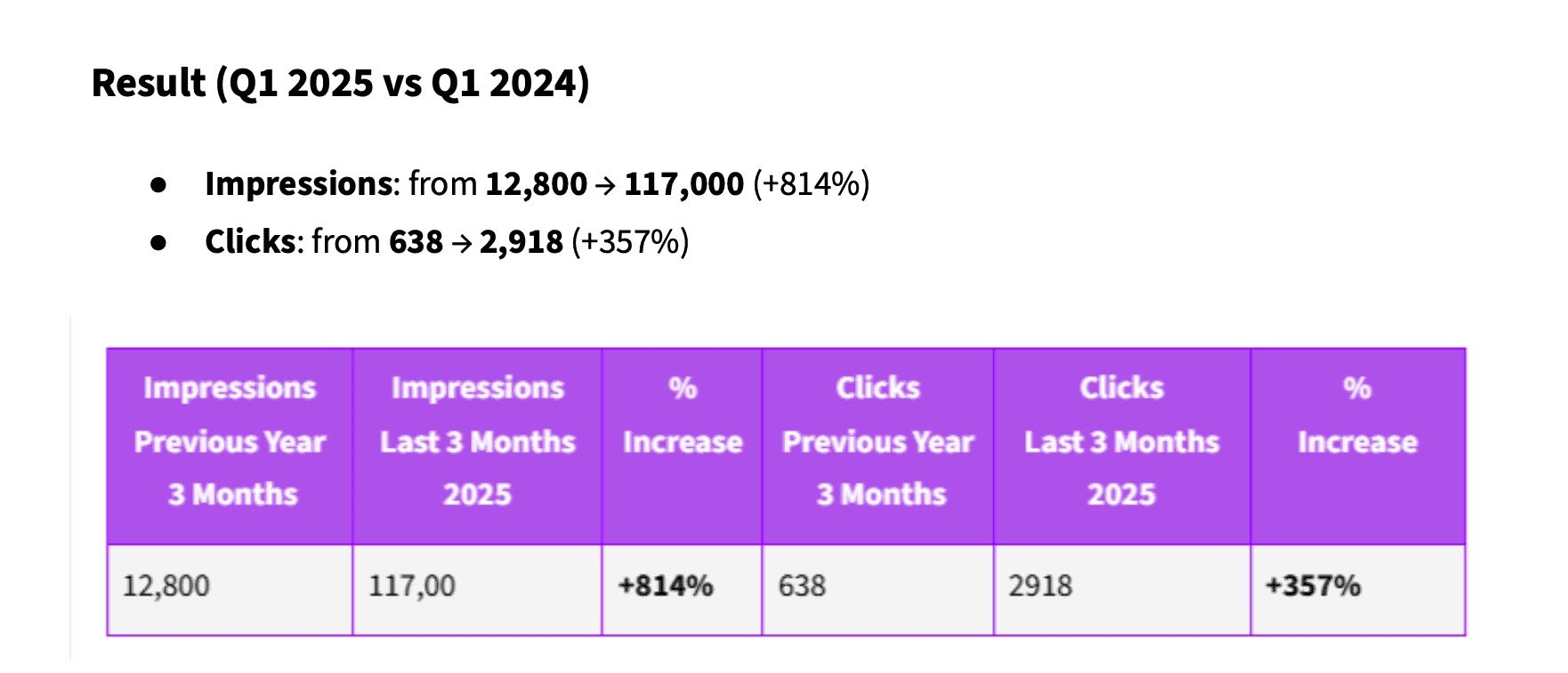
- +814% impression growth year-over-year in just 3 months
- Page 1 keyword rankings more than doubled
- First-ever SERP feature appearances: FAQ rich results and product carousels
- Much better indexation. Pages that Google previously ignored are now crawled and ranked
- Content clusters generating organic traffic across the full buying journey in Dutch
Key Takeaway: The Multiplier Effect
Technical SEO and content are not separate strategies. They multiply each other. Clean technical foundations let Google find and understand new content immediately. Quality content gives Google a reason to rank the site higher. Neither works well alone. We've seen brands invest heavily in content on broken sites and get nothing. We've seen technically perfect sites with no content stay invisible. The magic is in combining both.
The Dual Strategy Framework
Fix crawlability and indexation first. Then deploy content clusters with internal linking. Then add structured data for rich results. Then iterate based on GSC data. The order matters because each phase builds on the previous one.
Tools & Platforms Used
Work Together With SEO Experts who understand ecommerce
World’s first Ecom-founded SEO agency