250+ New Categories & a Clean Hierarchy
How We Rebuilt 250+ Categories and Grew Organic Rankings for a Dutch Lighting Store
This Netherlands-based ecommerce store specializing in lamps and lighting had a broad product range but was limited by poor SEO performance. A disorganized category structure meant products were buried in a few generic categories, thin topical coverage gave Google no reason to rank them above competitors, and crawl inefficiencies from hundreds of unoptimized filter pages wasted crawl budget. Despite solid inventory and a decent customer base from paid channels, organic visibility remained low.
The Challenge
This Dutch lighting store had a huge product catalog. But the site architecture was working against them. Products were buried in a few generic categories. Hundreds of unoptimized filter pages were eating crawl budget. Google had no reason to rank them above competitors with properly structured category pages.
Root Causes We Identified
- Disorganized category structure: products dumped into broad buckets like 'Lampen' and 'Verlichting' with no meaningful subcategories
- Hundreds of filter combination pages (color + style + price) were indexed and wasting crawl budget without adding search value
- No dedicated landing pages for high-intent Dutch queries like 'hanglamp woonkamer' or 'LED plafondlamp dimbaar'
- Internal linking was shallow: homepage to category to product, with no cross-linking between related categories
- No structured data on any page. Missing Product schema, breadcrumbs, and review markup
Tools & Platforms Used
Our Approach: Full Category Hierarchy Rebuild
Phase 1: Keyword Research & Category Planning (Month 1)
We mapped the entire Dutch lighting search space and organized it around three dimensions: lamp type (pendant, floor, table, wall, ceiling), product features (dimmable, LED, smart, outdoor), and room/use case (living room, bedroom, office, bathroom). This gave us a matrix of 250+ category pages, each targeting a real search query cluster.
Expert Insight
Lighting is one of the best niches for category SEO because the product dimensions map perfectly to how people search. Nobody Googles 'lamp.' They search 'hanglamp woonkamer' or 'buitenlamp met sensor.' Each combination is a category page waiting to be built.
Phase 2: Category Buildout & Content (Month 2-4)
We launched 250+ new category pages. Each one got unique Dutch content targeting specific commercial intent keywords. We removed redundant and underperforming pages to eliminate cannibalization. A clean navigation system made the new hierarchy browsable for both users and crawlers.
Phase 3: Technical Cleanup & Link Building (Month 4-6)
- Restructured the sitemap to reflect the new hierarchy and exclude filter pages
- Cleaned crawl paths to eliminate loops and dead-end URLs
- Implemented canonical tags to prevent duplicate content from filter combinations
- Rebuilt internal linking to distribute authority from homepage through category tiers to products
- Built backlinks from trusted Dutch interior design and home improvement sites
Discovery
The filter pages were the biggest hidden problem. Screaming Frog found over 400 indexed filter URLs that were essentially duplicate content with minor parameter differences. De-indexing these alone freed up enough crawl budget that Google started discovering our new category pages 3x faster.
What Didn't Work (And What We Learned)
Keeping old category pages as redirects
When we launched the new hierarchy, we initially set up 301 redirects from every old category page to the closest new equivalent. This created redirect chains 3-4 hops deep in some cases because the old structure was so different from the new one. Google was slow to process them. We ended up mapping direct redirects from old URLs to final destinations, cutting all chains to a single hop. Indexation speed improved noticeably within two weeks.
Expert Insight
Redirect chains kill crawl efficiency. When you rebuild a category structure, map every old URL directly to its final destination. Never chain redirects through intermediate pages, even if the mapping takes more manual work.
Using translated English content for initial category descriptions
To hit our launch timeline, we used machine-translated descriptions for the first batch of 80 category pages. The Dutch read fine grammatically but lacked the natural phrasing Dutch shoppers expect. Engagement metrics were measurably worse: 25% higher bounce rates versus categories with native Dutch copy. We hired a Dutch copywriter and rewrote all 80 pages. The lesson cost us about two weeks of timeline.
The Results: Category Architecture at Scale
Headline Wins
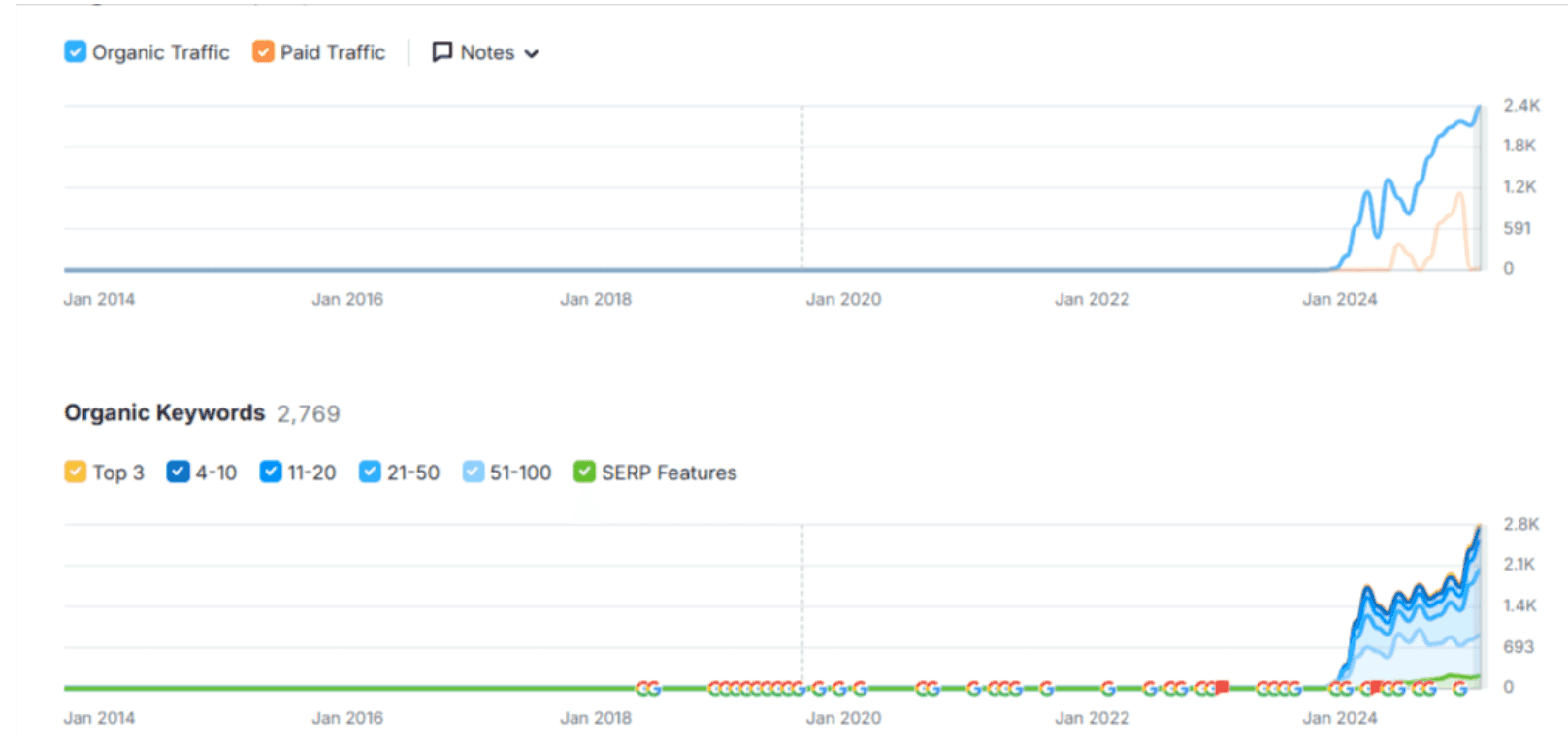
- Ranking for 'hanglamp woonkamer,' 'buitenlamp met sensor,' 'LED plafondlamp dimbaar' and hundreds more Dutch lighting queries
- Crawl efficiency improved dramatically as Google stopped wasting budget on filter pages
- Internal authority now flows cleanly from homepage through category tiers to product pages
- Store captures qualified traffic at every stage of the lighting buying journey
Key Takeaway: The Product Dimension Matrix
Lighting, furniture, and home goods stores have a natural advantage for category SEO. Products have clear dimensions (type, feature, room) that map directly to how people search. Build your category hierarchy around these dimensions instead of your internal product taxonomy. Every meaningful dimension intersection is a category page that can rank.
The EcomSEO Framework Applied
Identify your product's natural search dimensions. Build a category matrix from those dimensions. Create unique content for each intersection. Kill crawl waste from filter and parameter pages. Connect everything with clean internal linking. Add structured data.
Tools & Platforms Used
Work Together With SEO Experts who understand ecommerce
World’s first Ecom-founded SEO agency