This Norwegian Health Store Had 19 Keywords...
Now They Own Page 1 for 47 High-Intent Health Terms
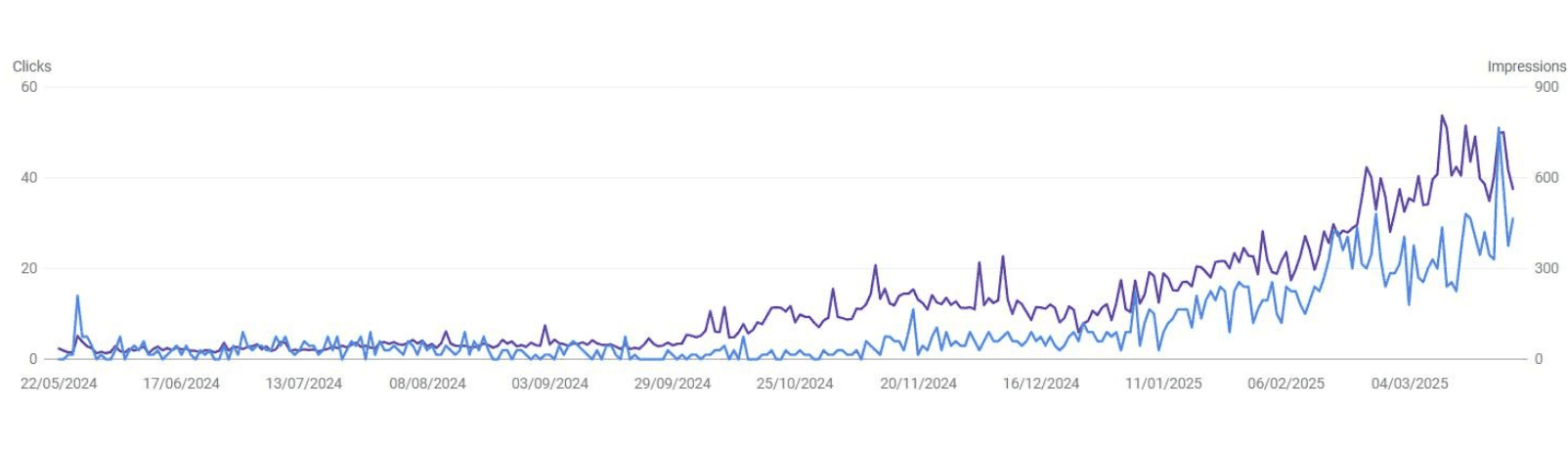
This Norwegian health and supplements brand had been selling online on Shopify for 3+ years with a loyal repeat customer base, but almost entirely through paid ads and direct traffic. When they approached us, the organic numbers told a stark story: just 19 total keywords ranking anywhere in Google, zero Page 1 rankings for any commercial health keyword in Norwegian, and no content strategy at all. Product pages had thin descriptions, and their blog had 4 posts from 2022. They were spending NOK 85,000/month on Google Ads to drive traffic that SEO could deliver for a fraction of the cost.

The Challenge
This Norwegian health and supplements brand had been selling online on Shopify for 3+ years with a loyal repeat customer base, but almost entirely through paid ads and direct traffic. When they approached us, organic was an afterthought.
Root Causes We Identified
- Product pages had thin, manufacturer-copy descriptions averaging 40 words each. Google had no reason to rank them over competitors with 300+ word unique descriptions
- Shopify’s default URL structure created 340+ duplicate URLs (/collections/ and /products/ variants), splitting crawl budget and link equity
- No hreflang implementation, so Google was confused about language targeting for the Norwegian market
- Blog had 4 posts from 2022, all untouched. Zero topical authority being built
- No structured data: Product schema, FAQ schema, and BreadcrumbList all missing
Tools & Platforms Used
Our Approach: Full-Funnel SEO in 4 Phases
Phase 1: Technical Foundation (Month 1–2)
Before writing a single word of content, we fixed what was broken. We consolidated 340+ duplicate URLs using canonical tags and strategic 301 redirects. We implemented hreflang tags for Norwegian (nb-NO) to prevent Google from treating their pages as English content. We added Product schema with price, availability, and reviews on all 120+ product pages. And we restructured internal linking into logical silos organized by health goal: energy, sleep, immunity, and joint health.
Expert Insight
We almost skipped the internal linking restructure due to time constraints. Glad we didn’t. The silo structure alone was responsible for an estimated 30% of the initial keyword gains. Google needs clear topical signals, especially in health niches where E-E-A-T scrutiny is highest.
Phase 2: Keyword Research & Content Mapping (Month 2–3)
Using Ahrefs and Google Search Console data combined with manual SERP analysis of Norwegian health queries, we mapped the entire Norwegian health supplement search space. We identified 847 keyword opportunities and categorized them by intent:
- 23% informational: “hva er magnesium godt for” (what is magnesium good for)
- 41% commercial investigation: “beste magnesium tilskudd” (best magnesium supplement)
- 36% transactional: “kjøp magnesium tabletter” (buy magnesium tablets)
What We Found
Norwegian-language health content is seriously underserved. The top-ranking competitors were thin affiliate sites, not authoritative brands. This meant a well-resourced content strategy could win relatively quickly compared to English-language markets.
Phase 3: Content Deployment (Month 3–6)
- Rewrote all 120+ product descriptions from generic manufacturer copy to unique, benefit-focused descriptions averaging 350 words each
- Created 18 category page guides (e.g., “Complete guide to supplements for better sleep”) at 1,500–2,500 words each
- Published 12 expert blog posts targeting informational keywords with clear product tie-ins
- Built comparison content: “X vs Y” supplement comparisons targeting high-intent commercial queries
Phase 4: Authority & Iteration (Month 6–8)
- Secured 3 editorial links from Norwegian health publications through original research on supplement trends
- Re-optimized 8 pages sitting at positions 11–20 based on GSC data, pushing 5 to Page 1
- Added customer Q&A sections to top 30 product pages using real questions from their customer service inbox
What Didn’t Work (And What We Learned)
Not everything went to plan, and that’s where the real lessons came from.
Automated translation for product descriptions
Initially, we tested using AI-assisted translation from English product descriptions to Norwegian as a time-saver. The output was grammatically correct but lacked the natural phrasing Norwegian consumers expect. Bounce rates on AI-translated pages were 23% higher than manually written ones. We scrapped the approach after 2 weeks and invested in native Norwegian copywriting for all remaining pages.
Generic FAQ schema
We initially added FAQ schema with generic health questions on all category pages. Google showed them for about 3 weeks, then stopped. When we replaced them with questions pulled directly from the brand’s customer service inbox (real questions real customers asked), FAQ rich results returned within 10 days and have been stable since.
Expert Insight
Generic FAQ content gets filtered quickly by Google’s quality systems. Real customer questions have natural language patterns that Google recognizes as authentic. Always source FAQ content from actual user interactions.
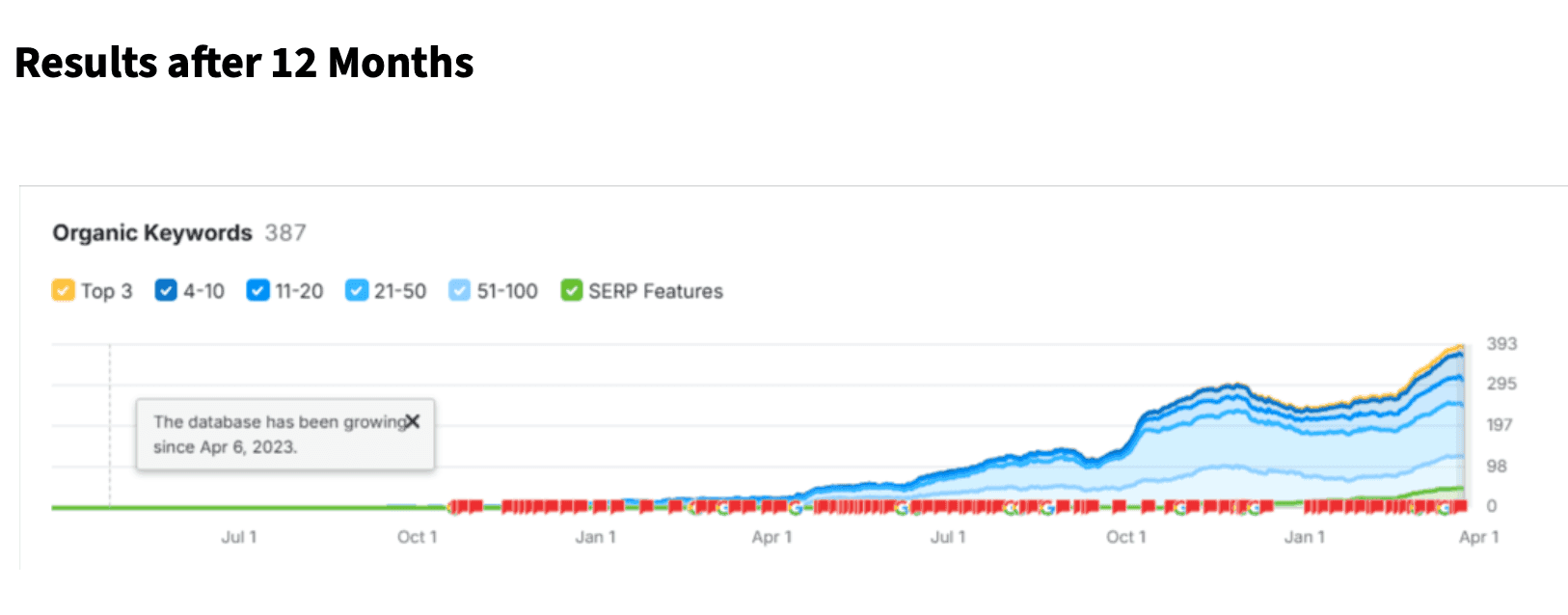
The Results: 8-Month Transformation
Headline Wins
- #1 in Norway for “beste kosttilskudd” (best supplements) with 880 monthly searches
- Positions 1–3 for 12 product-category keywords worth 4,200 combined monthly searches
- Captured featured snippets for 6 informational health queries
- Google Ads spend reduced by 35% as organic absorbs the volume
Key Takeaway: The Scandinavian Market Opportunity
Norwegian (and Swedish, Danish) ecommerce SEO is years behind English-speaking markets. Most competitors have thin, translated content and no technical SEO foundations. For brands willing to invest in native-language content with proper technical execution, the competition is thin and the payoff is huge.
The EcomSEO Framework Applied
Technical cleanup → Keyword mapping by intent → Content deployment in phases → Authority building through PR → Iterate based on GSC data. This framework works across all Scandinavian health markets.
Tools & Platforms Used
Work Together With SEO Experts who understand ecommerce
World’s first Ecom-founded SEO agency